This post contains affiliate links. If you make a purchase through them, we may earn a commission at no extra cost to you.
本記事にはアフィリエイト広告を含みます。

Written by Keisuke Unno — a graduate of Tokyo University of Foreign Studies (Persian Language).
Married to a non-Japanese partner, and host of the YouTube channel “Tabunka Gurashi 多文化ぐらし,” where he has interviewed dozens of international residents across Japan about their real lives here.
Share houses (シェアハウス) have become one of the most popular housing options for international students in Japan, largely because they tend to sidestep many of the paperwork hurdles of a standard private apartment lease. Short answer: a share house gives you a private bedroom with shared common spaces, generally requires little to no guarantor, and often comes furnished — making it a practical option for students without an established income or credit history in Japan. Here’s how the system actually works.
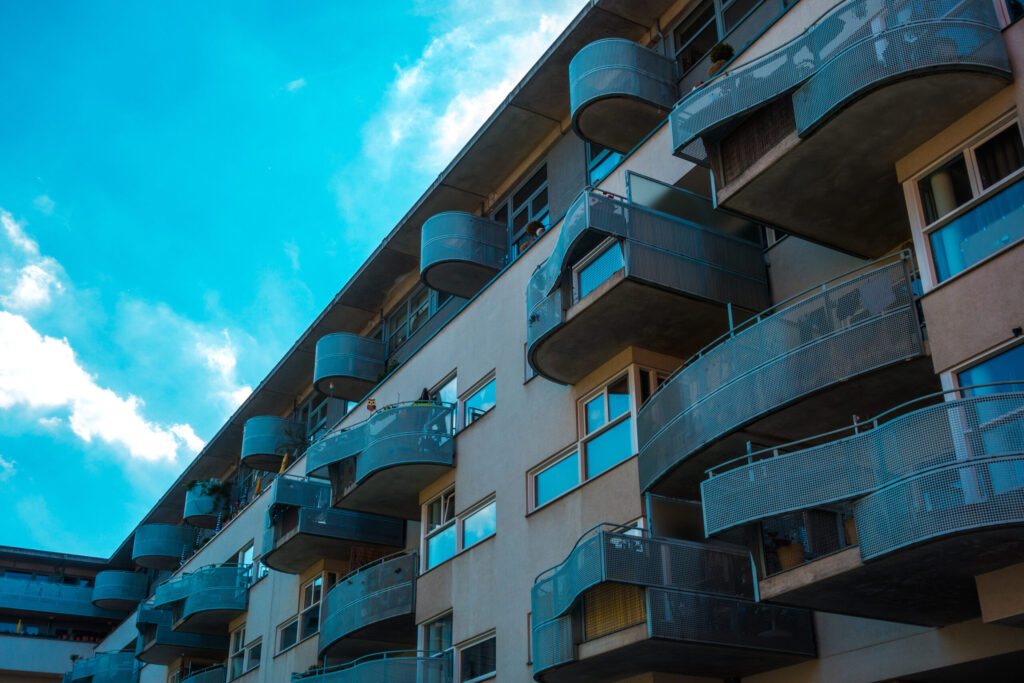
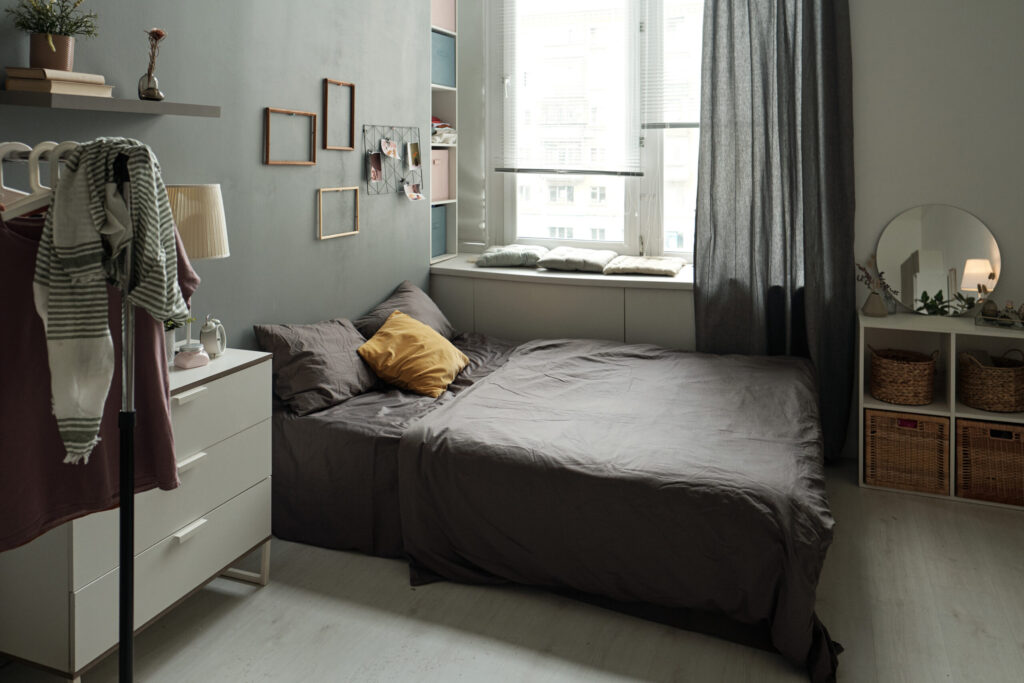
A share house is a residence where multiple unrelated residents each rent a private bedroom while sharing common spaces such as the kitchen, bathroom, and living areas. Operators range from large nationwide companies to smaller, independently run houses, and many specifically market themselves to international residents.
| Feature | Typical Private Apartment | Typical Share House |
|---|---|---|
| Guarantor requirement | Generally required | Frequently not required |
| Furniture | Usually not included | Often included |
| Key money / agency fees | Common | Often reduced or waived |
| Minimum stay period | Often 1-2 years | Sometimes as short as 1 month, depending on the operator |
| Move-in speed | Can take 1-2 weeks for screening | Often much faster |
💡 The shorter minimum stay and reduced paperwork make share houses a common choice for a student’s first few months in Japan, even among those who plan to move to a private apartment later.

- House rules — policies on guests, quiet hours, cleaning duties, and shared kitchen etiquette vary significantly between operators
- Number of shared residents — some houses have just a few residents, others can have a dozen or more sharing common facilities
- Included utilities — confirm whether electricity, gas, water, and internet are included in the monthly fee or billed separately
- Contract length and cancellation policy — ask about the minimum stay and the notice period required using the provider’s designated procedure if you need to move out early
- Language support — some share house operators offer English-language contracts and support, which can matter if you’re not yet confident in Japanese
- Search share house-specific listing sites and operators, many of which have English-language websites aimed at international residents. One option worth checking is 敷金礼金、仲介手数料も0円【クロスワンルーム】
 , which offers furnished rooms in central Tokyo with no key money, no agency fees, and often no guarantor required.
 - Check whether your university’s international student office maintains a list of recommended or affiliated share houses
- Compare a few options on location, cost, and included utilities before committing
- If possible, visit or request photos/video of the actual room and common areas before signing
- Confirm the exact move-in process and required documents (often just a copy of your Residence Card and a completed application form)
 , which offers furnished rooms in central Tokyo with no key money, no agency fees, and often no guarantor required.
Common Documents Needed
- Valid identification (such as a Residence Card, or your passport plus Certificate of Eligibility if you haven’t received your Residence Card yet)
- A completed application form provided by the share house operator
- In some cases, proof of enrollment at your university or language school

A friend of mine from France, who spent about a year in Japan as a student, lived in a share house that wasn’t run through a dedicated share house company — more of an informally arranged shared living situation. Her honest take: cleanliness and noise were occasional downsides of communal living, but she made genuinely good friends through the experience, which she considers well worth the trade-off.
FAQ
Q: Are share houses only for short stays?
A: Not necessarily — while many students use them for a first few months, some residents stay in share houses long-term if they prefer the community aspect and lower administrative burden.
Q: Is it normal to share a bathroom with strangers in a share house?
A: This varies by property — some share houses have private bathrooms attached to each bedroom, while others have fully shared facilities. Always confirm the specific layout before booking.
Q: Can I bring my own furniture to a furnished share house?
A: This depends on the operator and the specific room — some allow personal items and minor additions, while fully furnished rooms may have restrictions. Ask directly before moving in.
- Compared included utilities and fees across at least a few share house options
- Confirmed the minimum stay period and cancellation notice required
- Reviewed house rules on guests, quiet hours, and shared responsibilities
- Checked whether English-language support is available if needed
- Confirmed exactly which documents are required before applying
Stay Updated with ILSA Hub
Life in Japan comes with a lot of small questions — and the official ILSA Hub LINE account is where we help, especially with housing and everyday life.
- 🏠 Our Main Focus: Most of what we share is about housing and daily life in Japan — apartment hunting, contracts, and practical living tips.
- 💬 Ask Us Anything: Send us your questions about our articles, and we’ll help guide you using site-based information.
- ⏰ Never Miss a Deadline: Set an automated reminder right on LINE — just type “set reminder,” tell it what and when, and our system will notify you automatically as the date approaches (like 30 and 7 days before). Handy for things like visa renewals (up to 90 days’ notice) or lease renewal deadlines. Your dates are kept private and never shared outside ILSA Hub.
Scan or Click to Join:
👉 Tap Here to Add ILSA Hub on LINE

Disclaimer: ILSA Hub is an informational platform. We do not act as a licensed real estate agency, financial institution, medical provider, recruitment agency, or emergency service, and do not provide immigration, visa, or legal services. We are not a substitute for advice from a qualified administrative scrivener (行政書士) or attorney. We do not provide legal, medical, financial, or professional advice specific to your situation. Our responses on LINE are based solely on general guidelines provided on our website. For emergencies, always follow official government guidance.