

Written by Keisuke Unno — a graduate of Tokyo University of Foreign Studies (Persian Language).
Married to a non-Japanese partner, and host of the YouTube channel “Tabunka Gurashi 多文化ぐらし,” where he has interviewed dozens of international residents across Japan about their real lives here.
Once you have your 資格外活動許可 permit sorted out (see our guide on the 28-hour work rule), the next step is actually finding a part-time job (アルバイト) — and the process looks a bit different from job hunting for a full-time role. Short answer: your university’s career or student support office, dedicated part-time job listing sites, and simply asking around campus are generally the most effective starting points.

Where International Students Generally Find Part-Time Work
| Source | Notes |
|---|---|
| University bulletin boards / student support office | Many universities maintain a listing service specifically for students, sometimes with employers already familiar with hiring international students |
| Part-time job listing sites (アルバイト情報サイト) | Widely used general platforms; filtering for “外国人歓迎” (foreigners welcome) listings can help narrow results, though it’s not a guarantee of a smooth hiring process |
| Language schools and international student associations | Often share job leads specifically suited to non-native Japanese speakers |
| Direct inquiry at nearby shops and restaurants | A traditional approach that still works, particularly in areas near universities used to student staff turnover |
Common Part-Time Jobs for Students
- Food service (restaurants, cafes) — commonly hires students, though customer-facing roles generally expect conversational Japanese
- Retail — similar language expectations to food service in most cases
- Language teaching / tutoring — a common fit for native or fluent speakers of languages in demand, particularly English
- Office/administrative work — less common for students with limited Japanese, but available at some international-facing companies
- Campus-based roles — some universities hire international students directly for on-campus positions like library assistance or international office support
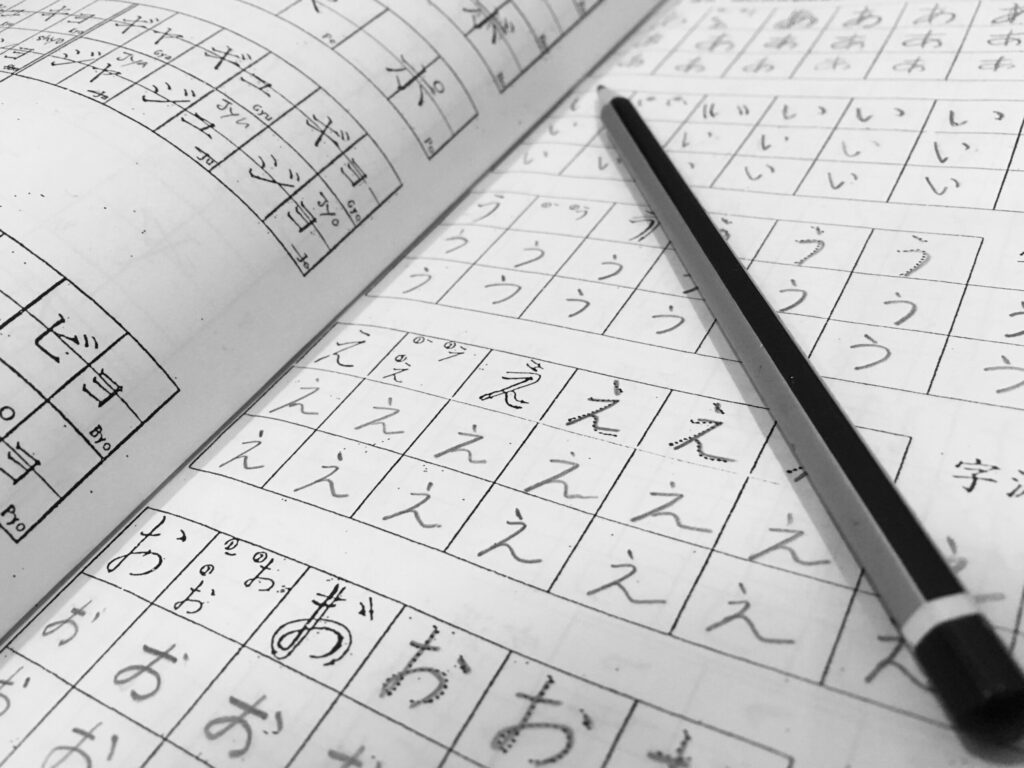
Language Requirements Are the Biggest Filter
⚠️ Keep in Mind: A job posting’s listed language requirement is generally a reasonably honest signal of what’s actually needed day-to-day. Applying to roles well beyond your current Japanese level often leads to frustration on both sides — being realistic about your current ability, while still stretching slightly for roles that could help you improve, tends to work out better than aiming at either extreme.
What Employers Generally Ask For
| Item | Notes |
|---|---|
| Residence Card | Employers generally check this to confirm your visa status and part-time work permit |
| Resume (rirekisho) | Even for part-time work, many employers expect a simplified rirekisho — see our dedicated guide on writing one |
| Bank account details | For salary payment — generally needed by your first shift or shortly after |
| My Number | Increasingly requested for tax and social insurance purposes, even for part-time roles |

A Real Part-Time Job Search Experience
A friend of mine from Jordan found part-time work through a mix of channels worth knowing about — TGG (a large English-immersion facility that regularly hires English speakers) and Tomonokai, a company that specifically runs job and interaction programs for international students, alongside more general English teaching opportunities. He applied for his work permit right when he received his residence card at the airport, and worked around 20 hours a week from early on. His experience is a good reminder that some employers and programs are specifically built around hiring international students — worth searching for by name, not just browsing general job boards.
FAQ
Q: Can I work a part-time job without conversational Japanese at all?
A: It’s possible, particularly in roles less focused on customer interaction (like some kitchen or back-office positions), but options narrow significantly — most customer-facing roles do expect at least basic conversational ability.
Q: Is it normal to be paid at a lower hourly rate than Japanese students?
A: No — minimum wage laws in Japan apply regardless of nationality, and there’s no legal basis for a lower rate specifically because you’re a foreign student. If you suspect this is happening, it’s worth raising directly or consulting a labor consultation service.
Q: How many part-time jobs can I have at once?
A: There’s no specific limit on the number of jobs, but your combined hours across all of them still must stay within the 28-hour weekly limit discussed in our dedicated guide on student work hours.
Your Part-Time Job Search Checklist
- Confirmed you have your 資格外活動許可 permit before applying anywhere
- Checked your university’s student support office for job listings
- Realistically assessed your current Japanese level against job language requirements
- Prepared a simple rirekisho, even for informal part-time roles
- Confirmed the hourly rate meets minimum wage requirements for your area
Stay Updated with ILSA Hub
Life in Japan comes with a lot of small questions — and the official ILSA Hub LINE account is where we help, especially with housing and everyday life.
- 🏠 Our Main Focus: Most of what we share is about housing and daily life in Japan — apartment hunting, contracts, and practical living tips.
- 💬 Ask Us Anything: Send us your questions about our articles, and we’ll help guide you using site-based information.
- ⏰ Never Miss a Deadline: Set an automated reminder right on LINE — just type “set reminder,” tell it what and when, and our system will notify you automatically as the date approaches (like 30 and 7 days before). Handy for things like visa renewals (up to 90 days’ notice) or lease renewal deadlines. Your dates are kept private and never shared outside ILSA Hub.
Scan or Click to Join:
👉 Tap Here to Add ILSA Hub on LINE

Disclaimer: ILSA Hub is an informational platform. We do not act as a licensed real estate agency, financial institution, medical provider, recruitment agency, or emergency service, and do not provide immigration, visa, or legal services. We are not a substitute for advice from a qualified administrative scrivener (行政書士) or attorney. We do not provide legal, medical, financial, or professional advice specific to your situation. Our responses on LINE are based solely on general guidelines provided on our website. For emergencies, always follow official government guidance.