
Written by Keisuke Unno — a graduate of Tokyo University of Foreign Studies (Persian Language).
Married to a non-Japanese partner, and host of the YouTube channel “Tabunka Gurashi 多文化ぐらし,” where he has interviewed dozens of international residents across Japan about their real lives here.
Sending money from Japan to family or accounts overseas involves more options than just your bank’s international wire service, and the fees and exchange rates can vary substantially between them. Short answer: dedicated money transfer services generally offer better exchange rates and lower fees than traditional bank wires, though bank wires remain useful for larger amounts or when the receiving side specifically requires one.
Your Main Options
| Method | General Trade-offs |
|---|---|
| Traditional bank wire transfer | Widely trusted and accepted everywhere, but often comes with higher fees and a less favorable exchange rate than dedicated services |
| Dedicated money transfer apps/services | Generally offer more competitive exchange rates and lower fees, with app-based tracking; may have transfer limits depending on your verification level |
| International postal money orders | An older option, less commonly used now given the availability of digital alternatives, but still functional in some cases |
💡 When comparing options, look at the actual amount that arrives on the other end — not just the advertised fee. A “low fee” transfer can still cost more overall if the exchange rate offered is significantly worse than the mid-market rate.

What You’ll Generally Need to Set Up a Transfer Service
- A Japanese bank account linked to the service, in most cases
- Your Residence Card for identity verification
- The recipient’s bank account details in the destination country
- Depending on the amount and service, additional verification steps for larger transfers
Regular Remittances: A Few Practical Considerations
If you’re sending money regularly (for example, supporting family or repaying a loan), it’s worth checking whether your chosen service offers a recurring transfer option, and comparing rates periodically rather than assuming your first choice remains the best one — exchange rates and service fees can shift over time, and better options sometimes emerge.
⚠️ Keep in Mind: If you’re an international student receiving regular financial support from family rather than sending money, keeping clear records of these incoming transfers can be useful — for example, as supporting documentation if a landlord or guarantor company asks for proof of financial support (see our guide on renting without a steady income as a student).
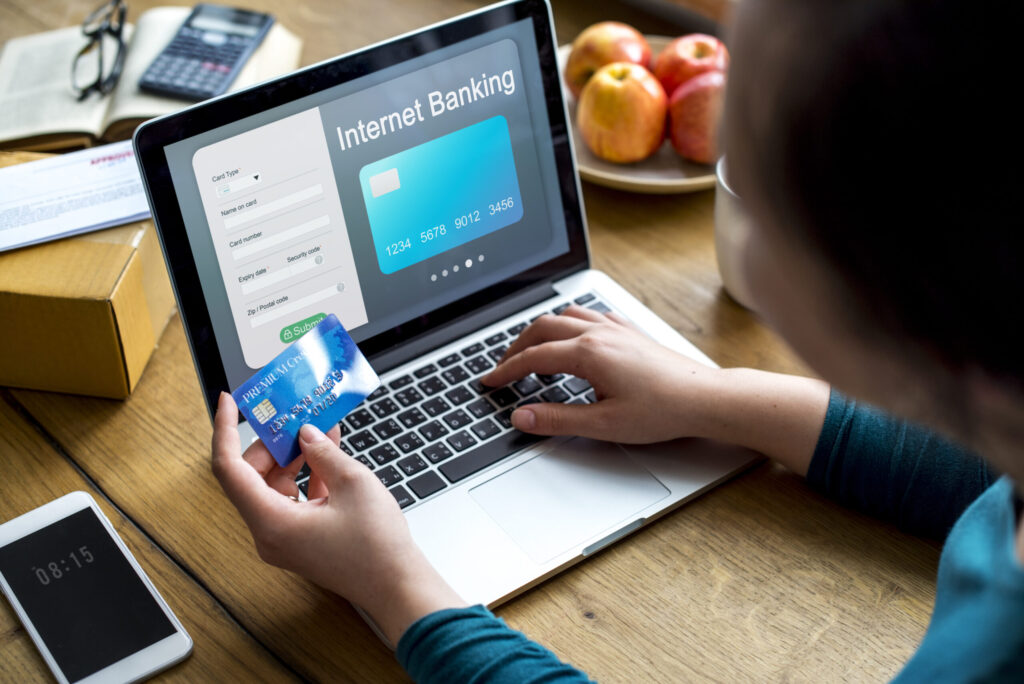
A Real Money Transfer Experience
Not everyone uses a formal transfer service — a friend of mine currently handles it informally: she hands Japanese yen in cash to a British friend who works remotely from Japan, and that friend then transfers the equivalent in British pounds from his own UK bank account. It works for her specific situation, but it depends entirely on having someone you trust on both ends and generally isn’t something to rely on for larger or time-sensitive transfers, where a proper dedicated service is the more dependable option.
FAQ
Q: Are money transfer apps safe to use?
A: Established, well-known services are generally regulated financial businesses, though it’s still worth doing basic research on any specific service before entrusting it with a large transfer, particularly for first-time use.
Q: Is there a limit to how much I can send overseas?
A: Limits vary by service and your verification level, and very large transfers may involve additional reporting requirements under Japanese financial regulations — check with your specific bank or service for applicable thresholds.
Q: Do I need to report money I send home for tax purposes?
A: This depends on your specific tax situation and the nature of the funds — this is a genuinely individual question worth confirming with a tax professional rather than assuming a general answer applies to your case.
Your Money Transfer Checklist
- Compared the actual amount that arrives (fee plus exchange rate), not just the advertised fee alone
- Confirmed the recipient’s bank details are accurate before sending
- Checked whether a recurring transfer option fits your needs, if sending regularly
- Kept records of transfers that might later serve as financial documentation
Stay Updated with ILSA Hub
Navigating the rental process in Japan can be tricky, but you don’t have to do it alone. Join the official ILSA Hub LINE account for updates, housing tips, and Q&A support based on our verified guide.
- 🔔 Get Notified: Receive updates on new housing guides and essential living tips.
- 💡 Practical Advice: Access bite-sized tips on moving costs, negotiations, and rules.
- 💬 Ask Us Anything: Send us your questions about our articles, and we’ll help guide you using site-based information.
Scan or Click to Join:
👉 Tap Here to Add ILSA Hub on LINE

* Disclaimer: ILSA Hub is an informational platform and does not act as a licensed real estate agency, broker, or guarantor. We do not provide property listing rentals, direct agent services, or guarantees on apartment applications. Our responses on LINE are based solely on general guidelines provided on our website.*