

Written by Keisuke Unno — a graduate of Tokyo University of Foreign Studies (Persian Language).
Married to a non-Japanese partner, and host of the YouTube channel “Tabunka Gurashi 多文化ぐらし,” where he has interviewed dozens of international residents across Japan about their real lives here.
Last updated: September 2026
Japan’s immigration policy has been notably active in 2026, with a new government policy package, changes to residence cards, confirmed fee increases, and new enforcement measures moving forward within a relatively short span of time. Short answer: in January 2026, the government adopted a comprehensive policy package on “accepting foreign nationals and orderly coexistence,” which has since translated into concrete changes — including a new card format, officially confirmed procedure fee increases starting October 1, 2026, a revised permanent residency screening guideline, and continued development of structured labor acceptance programs.
2026 at a Glance: A Timeline
In January 2026, Japan’s government formally adopted a comprehensive policy framework centered on accepting foreign nationals while emphasizing “orderly coexistence” (秩序ある共生). Rather than one single rule change, this has translated into several distinct developments landing at different points in the year:
| When | What Changes |
|---|---|
| January 23, 2026 | Government adopts a comprehensive policy package on accepting foreign nationals and orderly coexistence |
| June 14, 2026 | New Residence Card format rolls out, alongside an optional “Specific Residence Card” (特定在留カード) integrated with My Number |
| October 1, 2026 | Immigration procedure fees increase — status change/renewal fees become tiered by granted period, and permanent residency rises to ¥200,000 |
| April 1, 2027 | Revised permanent residency guideline changes the treatment of a 3-year period of stay; Employment for Skill Development (育成就労) is also scheduled to begin |
| By March 31, 2029 | JESTA (Japan’s electronic travel authorization system) implementation deadline |
The Fee Increase, Precisely
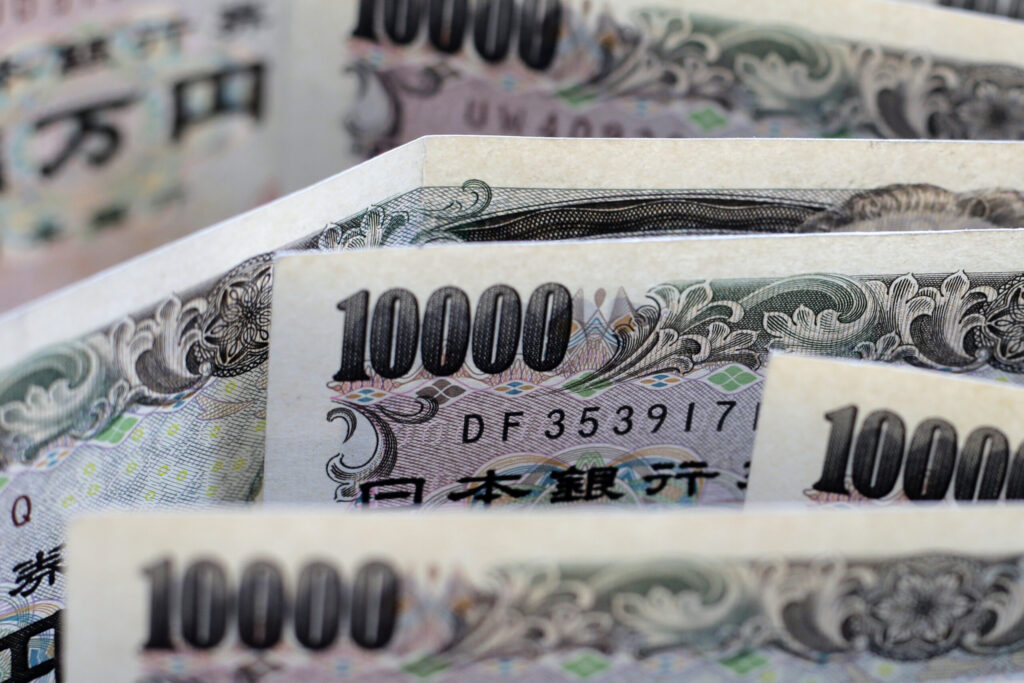
Effective October 1, 2026, status change and renewal fees will vary by the length of residence period granted, rather than the current flat rate (¥6,000 in person / ¥5,500 online):
| Period Granted | In-Person Fee | Online Fee |
|---|---|---|
| 3 months or less | ¥10,000 | ¥10,000 |
| Over 3 months, up to 6 months | ¥18,000 | ¥15,000 |
| Over 6 months, up to 1 year | ¥25,000 | ¥21,000 |
| 1 year | ¥33,000 | ¥27,000 |
| Over 1 year, under 3 years | ¥48,000 | ¥42,000 |
| 3 years, under 5 years | ¥64,000 | ¥56,000 |
| 5 years or more | ¥75,000 | ¥65,000 |
Permanent residency rises from ¥10,000 to ¥200,000. A reduction or exemption may also be available for applicants who meet specific economic-hardship or other eligibility criteria — see our dedicated guide on the fee changes for more detail.
The Fee Increase: A Timing Detail Worth Knowing
What determines which fee applies isn’t your approval date — it’s the date your application is officially accepted by immigration. If your application is accepted by September 30, 2026, the current (lower) fee applies even if your permit is actually granted after October 1. If it’s accepted on or after October 1, the new fee applies.
⚠️ Keep in Mind: For many renewal applications, the application window opens only around three months before your current period of stay expires. This means not everyone will be able to take advantage of the September 30 deadline simply by applying early. Check when you are actually eligible to submit your application before making plans based on the old fee.
Also note: for online applications accepted from October 1 onward, payment is made by convenience-store or bank payment rather than revenue stamps (収入印紙) — internet banking allows cashless payment, but credit card and QR code payment are not supported, and a separate payment processing fee applies on top of the procedure fee itself.
The New Residence Card Format, Briefly
Starting June 14, 2026, Japan introduced an updated Residence Card format alongside an optional “Specific Residence Card” (特定在留カード) that integrates with My Number for residents who choose it. If you don’t opt in, you can continue holding a standard Residence Card and a separate My Number card as before — this integration is optional, not mandatory. Note that opting in generally involves its own separate fee (paid to both the Immigration Services Agency and, for the My Number card function, your local J-LIS system), though fee waivers apply in certain cases — this isn’t automatically free just because it’s optional. The specific printed details on the card have also been updated slightly as part of this rollout.
⚠️ What Catches Foreign Residents Off Guard: The 2026 changes don’t consist of a single across-the-board rule. They include new administrative procedures, higher application fees, changes to residence card formats, and stronger enforcement measures. For permanent residency specifically, the revised guidelines continue to emphasize lawful conduct, financial stability, and compliance with tax, pension, health insurance, and notification requirements.

Permanent Residency: What Actually Changes in 2027
The permanent residency guideline was revised in February 2026. From April 1, 2027, the guideline will generally require applicants to hold the longest period of stay available for their specific status, rather than the previous practice of treating a 3-year period as sufficient. A transitional exception applies to certain applicants who hold a 3-year period of stay as of March 31, 2027 — see our dedicated guide on permanent residency for the fuller picture.
Why This Matters for Your Own Situation
- If you’re planning a renewal or status change, understanding the fee changes above helps you budget realistically rather than being surprised
- If permanent residency is part of your long-term plan, keep records of tax, pension, and health insurance payments, and complete any required immigration notifications on time when your circumstances change
- If you’re in a designated labor acceptance category, keep track of changes to the Specified Skilled Worker and Employment for Skill Development systems, especially if your work or future status may be affected by these programs
Other 2026 Developments Worth Knowing
Another notable development is the government’s strengthened approach to illegal overstays. In August 2026, the Immigration Services Agency published the “Zero Illegal Overstay Plan – Strong Promotion Package,” which includes stronger detection and enforcement measures aimed at reducing the number of illegal overstayers (approximately 68,000 as of January 1, 2026). JESTA, Japan’s upcoming electronic travel authorization system, is covered in the timeline above — it’s aimed at short-term visitors from visa-exempt countries and has limited direct relevance if you already hold a status of residence in Japan.
Staying Current
Because policy details continue to evolve throughout 2026, treating any single article (including this one) as a permanently fixed reference isn’t advisable — checking the Immigration Services Agency’s official announcements periodically, particularly before a major application, is the most reliable way to stay current.
A Practical Example
Imagine a foreign resident whose period of stay expires in November 2026. Because renewal applications generally open around three months before expiration, they would generally be within the application window in August or September — meaning they could potentially apply before September 30 and pay the current, lower fee. Someone whose status instead expires in February 2027 would generally not be within the standard renewal window until around November 2026, meaning the new fee would apply.
FAQ
Q: Do the 2026 immigration changes make it harder for foreign residents to stay in Japan?
A: The changes are not a single across-the-board tightening of residence rules. They include higher procedural fees, changes to residence cards, revised permanent residency guidelines, and stronger enforcement against illegal overstays. At the same time, Japan is continuing to develop structured work pathways, including the Employment for Skill Development system scheduled to begin in April 2027.
Q: Do these changes affect people already living in Japan, or only new applicants?
A: Both, in different ways — fee changes generally apply going forward to any new procedure (including renewals for existing residents), while the revised permanent residency guideline generally affects anyone going through a future PR application, regardless of how long they’ve already been in Japan.
Q: Where can I find official, up-to-date information rather than relying on articles like this one?
A: The Immigration Services Agency’s official website is the authoritative source — worth checking directly for anything time-sensitive or specific to your situation.
Your 2026 Immigration Changes Checklist
- Checked which fee tier applies to your specific renewal or status change
- Confirmed when your application window actually opens, rather than assuming you can apply before September 30
- Checked your own compliance record (payment history, notifications) proactively rather than assuming it’s fine
- Bookmarked the Immigration Services Agency’s official announcements page for ongoing updates
- Consulted a qualified specialist for anything specific to your individual timeline or category
Sources (click to view)
- Immigration Services Agency of Japan — 外国人の受入れ・秩序ある共生のための総合的対応策(令和8年1月23日決定)
- Immigration Services Agency of Japan — 2026年 更新情報一覧ページ
- Immigration Services Agency of Japan — 令和8年10月1日付け在留許可手数料の額の改定等について
- Immigration Services Agency of Japan — オンライン申請における手数料額及び手数料納付方法について(2026年10月1日以降の申請分のみに適用)
- Ministry of Justice — 出入国在留管理基本計画(2026年7月)
This article reflects officially published information as of September 2026. Immigration procedures and fees are subject to change — always confirm current details directly with the Immigration Services Agency before applying.
Stay Updated with ILSA Hub
Life in Japan comes with a lot of small questions — and the official ILSA Hub LINE account is where we help, especially with housing and everyday life.
- 🏠 Our Main Focus: Most of what we share is about housing and daily life in Japan — apartment hunting, contracts, and practical living tips.
- 💬 Ask Us Anything: Send us your questions about our articles, and we’ll help guide you using site-based information.
- ⏰ Never Miss a Deadline: Set an automated reminder right on LINE — just type “set reminder,” tell it what and when, and our system will notify you automatically as the date approaches (like 30 and 7 days before). Handy for things like visa renewals (up to 90 days’ notice) or lease renewal deadlines. Your dates are kept private and never shared outside ILSA Hub.
Scan or Click to Join:
👉 Tap Here to Add ILSA Hub on LINE

Disclaimer: ILSA Hub is an informational platform. We do not act as a licensed real estate agency, financial institution, medical provider, recruitment agency, or emergency service, and do not provide immigration, visa, or legal services. We are not a substitute for advice from a qualified administrative scrivener (行政書士) or attorney. We do not provide legal, medical, financial, or professional advice specific to your situation. Our responses on LINE are based solely on general guidelines provided on our website. For emergencies, always follow official government guidance.