


Written by Keisuke Unno — a graduate of Tokyo University of Foreign Studies (Persian Language).
Married to a non-Japanese partner, and host of the YouTube channel “Tabunka Gurashi 多文化ぐらし,” where he has interviewed dozens of international residents across Japan about their real lives here.
Japan has a universal health insurance system (国民皆保険), and most foreign residents who live in Japan and are not covered by another public health insurance plan are required to have health insurance. Depending on your situation, this may be employer-based health insurance or National Health Insurance (国民健康保険, often called Kokuho). Understanding how the system works can help you avoid unexpected medical bills and problems with enrollment.
Who Needs National Health Insurance?
| Situation | Generally Required to Enroll in Kokuho? |
|---|---|
| Employed with employer-based health insurance (社会保険) | No — you’re already covered through your employer instead |
| Student, freelancer, or otherwise not covered by another public health insurance plan | Yes, generally required if you are eligible for National Health Insurance |
| Short-term visitor / temporary stay | Generally not eligible for National Health Insurance |
⚠️ Keep in Mind: Whether you need National Health Insurance depends on your residence status and whether you’re covered by another public health insurance system, not simply on the length of your stay. For most foreign residents who are eligible for Kokuho, enrollment is a legal requirement rather than an optional convenience.
What You Actually Get
- Lower out-of-pocket medical costs: For most working-age adults, the standard co-payment is generally 30% of covered medical expenses, although the percentage can vary by age and circumstances
- Access to the High-Cost Medical Expense system (高額療養費制度): This can limit the amount you have to pay out of pocket for covered medical expenses during a given month, depending on your income and other circumstances
- Possible reimbursement for treatment overseas: In some circumstances, you may be able to claim reimbursement for medical treatment received overseas. This is not the same as using Japanese health insurance directly abroad, and reimbursement is generally calculated based on Japanese standards rather than the actual amount you paid overseas
How Much Does National Health Insurance Cost?
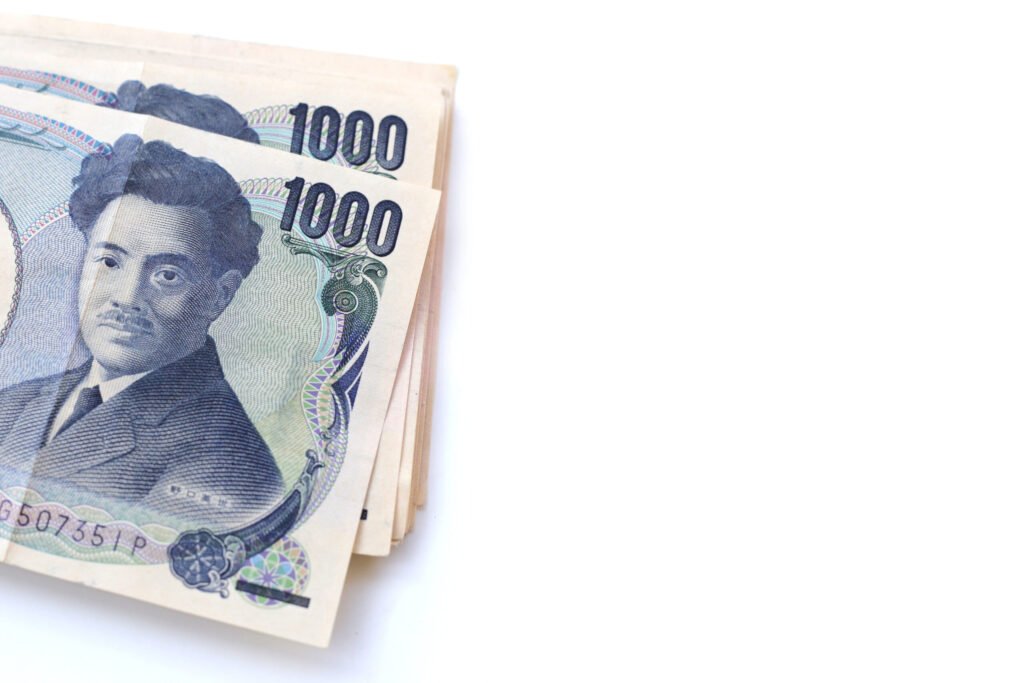
Kokuho premiums are calculated according to rules set by your municipality and generally take your previous year’s income into account. The exact amount varies depending on where you live, your income, household situation, and the municipality’s calculation rules.
If you have little or no income from the previous year, your premium may be lower, but the exact calculation depends on your municipality and circumstances.
💡 Tip for Students: If your income is genuinely low, you may qualify for an income-based premium reduction. Some municipalities may also offer additional support or reductions for students. Ask your municipal office about available reductions rather than assuming you don’t qualify.
When Should You Enroll?
If you’re required to join National Health Insurance, you should complete the enrollment procedure promptly after you become eligible. In general, notification for joining or leaving National Health Insurance should be made within 14 days of the relevant change, although the exact procedure and required documents can vary by municipality.
Don’t assume that delaying the paperwork means you can avoid the premiums. If you were eligible for National Health Insurance during the period you were not enrolled, your municipality may require you to pay premiums retroactively for that period.
How to Enroll
- Complete your address registration first, if you haven’t already
- Visit your municipal office’s National Health Insurance section
- Bring your Residence Card and any other documents requested by your municipality
- Complete the enrollment procedure and confirm how you will access your health insurance coverage
If you have a My Number Card registered for health insurance use, you can use it as your My Number Health Insurance Card (マイナ保険証). If you do not have one, you may use a Certificate of Eligibility (資格確認書), depending on your situation.

A Real Health Insurance Experience
A friend of mine from France, who had a Japanese-speaking friend help her through the process, found enrollment straightforward and successfully applied for an income-based reduction available to students. Her experience is a good example of why it’s worth actively asking about available reductions rather than assuming you don’t qualify.
FAQ
Q: Do international students need to enroll if they have university-provided insurance?
A: This depends on what your university’s insurance actually covers. Some university insurance plans are supplementary coverage and do not replace the requirement to enroll in National Health Insurance. Check with your international student office and confirm whether the university insurance is a public health insurance plan or supplementary coverage.
Q: Can I be covered under a family member’s insurance instead?
A: In some cases, if you have a family member with employer-based health insurance in Japan, you may be eligible for dependent coverage. The specific requirements depend on the insurance plan and your circumstances.
Q: What happens if I don’t enroll and then get sick?
A: If you were eligible for National Health Insurance but had not completed the enrollment procedure, you may initially have to pay medical expenses yourself. You may also still be required to pay premiums for the period in which you were eligible, depending on the circumstances. Enrolling promptly can help avoid these problems.
Your Health Insurance Checklist
- Confirmed whether you’re covered by employer-based health insurance or need to enroll in Kokuho yourself
- Completed enrollment promptly after becoming eligible
- Asked your municipal office about income-based premium reductions if applicable
- Confirmed whether you can use your My Number Card as a My Number Health Insurance Card (マイナ保険証) or need a Certificate of Eligibility (資格確認書)
- Kept your insurance-related documents and information up to date
Stay Updated with ILSA Hub
Life in Japan comes with a lot of small questions — and the official ILSA Hub LINE account is where we help, especially with housing and everyday life.
- 🏠 Our Main Focus: Most of what we share is about housing and daily life in Japan — apartment hunting, contracts, and practical living tips.
- 💬 Ask Us Anything: Send us your questions about our articles, and we’ll help guide you using site-based information.
- ⏰ Never Miss a Deadline: Set an automated reminder right on LINE — just type “set reminder,” tell it what and when, and our system will notify you automatically as the date approaches (like 30 and 7 days before). Handy for things like visa renewals (up to 90 days’ notice) or lease renewal deadlines. Your dates are kept private and never shared outside ILSA Hub.
Scan or Click to Join:
👉 Tap Here to Add ILSA Hub on LINE

Disclaimer: ILSA Hub is an informational platform. We do not act as a licensed real estate agency, financial institution, medical provider, recruitment agency, or emergency service, and do not provide immigration, visa, or legal services. We are not a substitute for advice from a qualified administrative scrivener (行政書士) or attorney. We do not provide legal, medical, financial, or professional advice specific to your situation. Our responses on LINE are based solely on general guidelines provided on our website. For emergencies, always follow official government guidance.